Selected Works
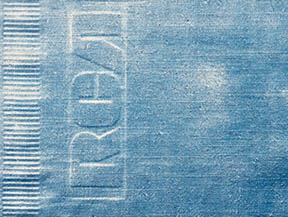
Blueprints
2020-
Cyanotypes on stretched linen.
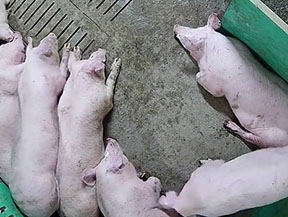
The Inhabitants
2014-
Video recordings of unsecured IP cameras focused on non-human animals.
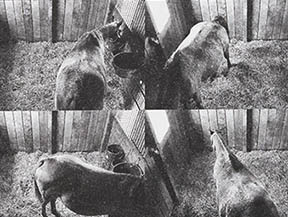
73.128.245.60/Labor
2018
Artist book published with Endless Editions.
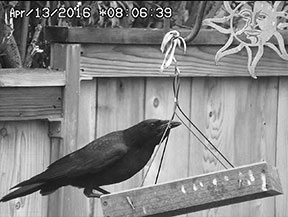
Oversight/Rendered
2014-
Images of non-human animals taken from unsecured web camera feeds and printed on silver gelatin paper.
Nature
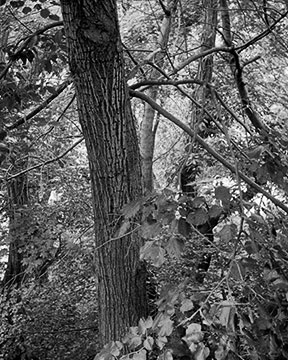
2017
Selections from a series of video works drawing upon the use of the fragment in Romantic aesthetics. The appearance of the whole given though a series of parts.
Foucault's Pendulum
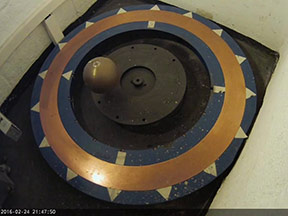
2016
Videos made using unsecured feeds of Foucault's Pendulums. The frames from each recording are reordered based on the position of the pendulum rather than chronological time.
Constellations Over Playas (with Stephanie Vella)
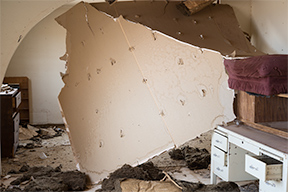
2013-2014
Since 2003 the US has enacted simulated terrorist attacks against Playas NM; Constellations Over Playas is an ongoing online diagnosis of this place.
moc.elgooG
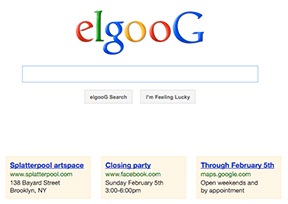
2012
moc.elgooG is a wireless network and a search engine that displays search results from least popular to most. elgooG was exhibited at the Splatterpool Artspace in Brooklyn, NY as part of the show Sys(x)tem and was created with the Art collective Future Archaeology.
ShiftSpace
2007-2011
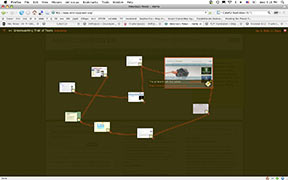
From 2007 to 2011 I worked on the ShiftSpace metaweb application. During its lifetime ShiftSpace sought to expand the creative possibilities then provided through the web. The application provided tools for artists, designers, architects, activists, developers, students, researchers, and hobbyists to create online contexts built in and on top of websites. ShiftSpace was initiated by Dan Phiffer and Mushon Zer-Aviv.
Permutations
2010
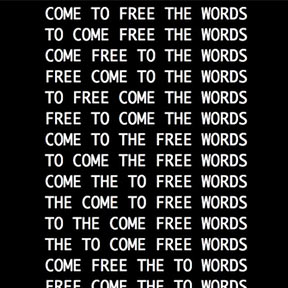
Software written for Brion Gysin: Dream Machine, on view at The New Museum for Contemporary Art and at the Institut d'art contemporain Villeurbanne / Rhone-Alpes in 2010.
Meaning in Mistakes
2010
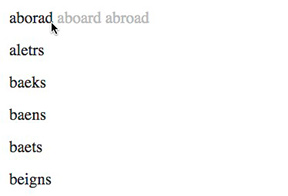
A list of character sets that are exactly a single transposition away from at least two words in the English language.
Meaning in Mistakes (second version)
2010
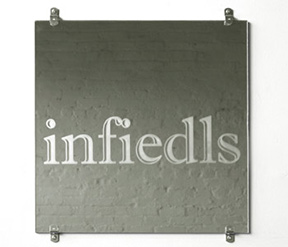
Selected character sets from the project Meaning in Mistakes etched into mirror.
Cutups
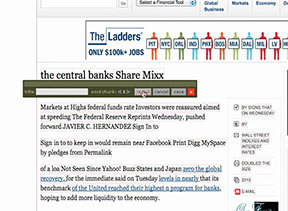
2008
Cutups was a addon for the ShiftSpace metaweb application. With Cutups, a user could select and "cut up" text on any webpage so that new meanings and uses could be discovered and articulated. Work on the ShiftSpace platform ended in 2011.
Meditation On Space